Initiate Process Discovery
The platform facilitates workshops to identify automated sequences that may benefit from the framework.
FlowCraft offers a systematic methodology for analyzing, designing, and implementing automated workflows. This page introduces the key principles that guide this approach, providing a clear framework for understanding how automation processes can be structured to meet operational needs.
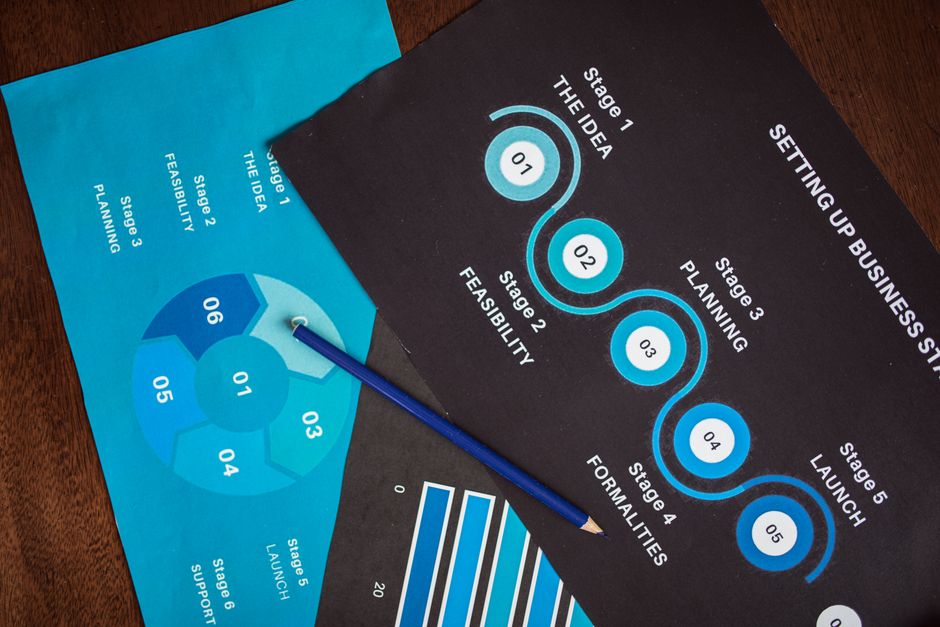
FlowCraft's workflow automation methodology is built on transparency, process analysis, and iterative refinement. We provide a structured framework designed to help you understand and enhance your workflows. The approach begins with a thorough examination of existing processes, followed by clear documentation and continuous feedback loops. While outcomes are influenced by various contextual factors, this methodology offers a systematic way to assess and adjust your automation journey, promoting clarity and informed decision-making at every step.
The platform facilitates workshops to identify automated sequences that may benefit from the framework.
Upon analysis, workflows are documented with current paths, data handoffs, and potential decision criteria areas.
Out-custom models and structured steps that models how the reviewed procedure normally be initiated with no exception.
Once established the criteria path there remains interaction. This step has reliance that processes should mark data easily understood by users setting exact steps required with guidance, yielding them awareness through methodology illustration steps before a capability comes about.
The how-to-work methodology offers a flexible framework with outcomes shaped by each deployment's unique technical and organizational landscape. Fluid AI data integration architecture pairs with step-level interaction control and security parameters refined over on-prem installations. Performance metrics, change integration cycles, and developer upskilling greatly define adoption trajectories and output generation consistency across varied project types.Collaboration inputs inform orchestration layer configuration updates but complete result accountability is shared by tool operators and execution teams. Situational constraints such as infrastructure constraints, program complexity baseline, external signing blocks, sequential record ID propagation channels inside unified cloud-managed SDLC tracks merit steering committee prioritization. The same proven logic maps duplicative approvals and scheduling filters onto minimal low-corn processes for knowledge industrial adaptation while reporting granularity adapts against permissions interplay; engineering deliberation stays your responsibility as generalized factor-heavy technique methods educate. Engine maintenance assumptions, tolerance workflows, product latency windows feed new opportunity via calculated pragmatic implementation sampling versus consulting-driven only comprehensive operational rebuild possibilities.